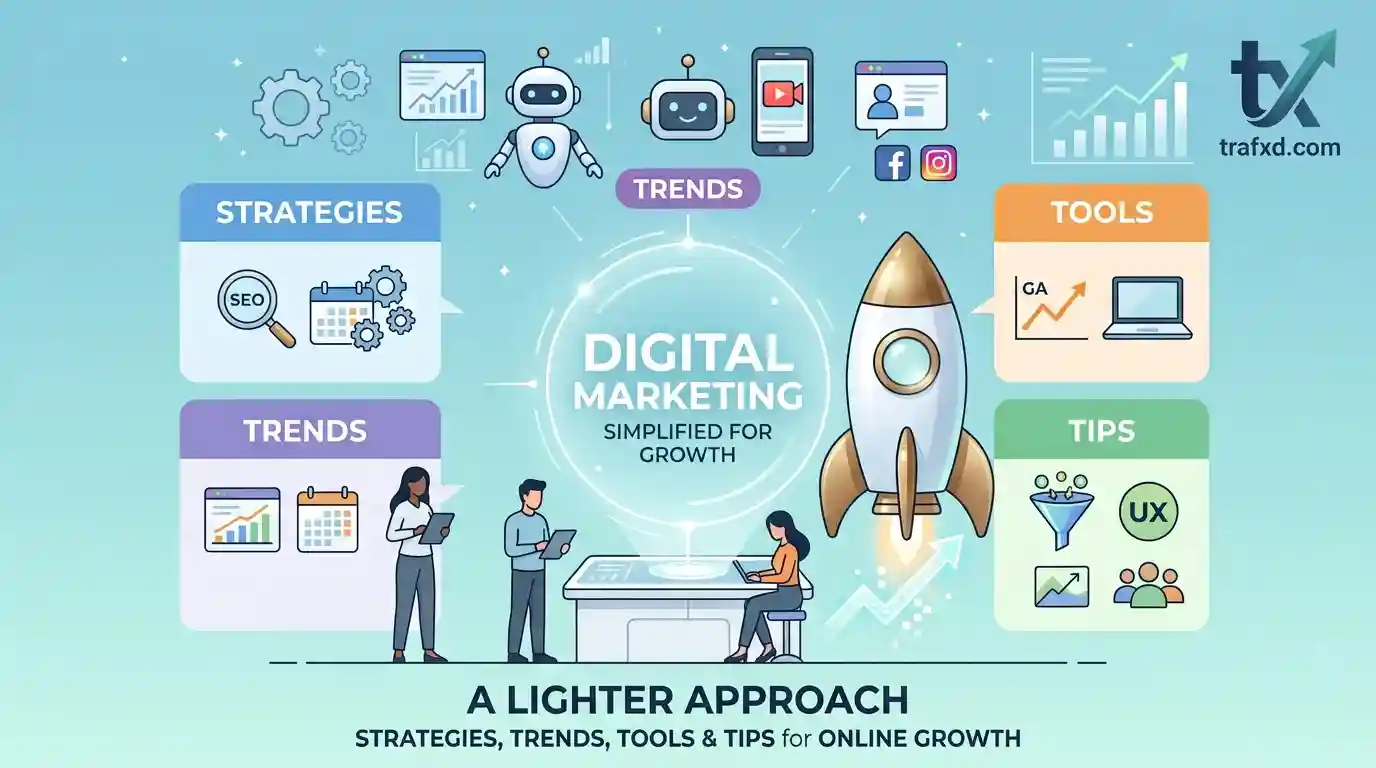
Digital Marketing: Strategies, Tools & Tips for Online Growth
Imagine having a great product, an attractive website, and excellent service—but hardly anyone knows your business exists. In today’s online world, being visible matters almost as much as being good at what you do. This is where digital marketing strategies for online growth can make a real difference. They help businesses reach potential customers, build trust, increase visibility, and turn online visitors into loyal customers.
Digital marketing covers much more than social media posts or online advertisements. It includes search engine optimization (SEO), content marketing, social media, email campaigns, paid advertising, analytics, automation, and more. The challenge is not simply using all these channels. It is about choosing the right ones and connecting them into a practical strategy.
Whether you run a small business, manage a website, work as a freelancer, or are just learning marketing, understanding these methods can help you make smarter decisions and build a stronger online presence.
What Is Digital Marketing?
Digital marketing is the process of promoting a business, product, service, or brand through online channels.
These channels can include:
- Search engines such as Google
- Business websites and blogs
- Social media platforms
- Email newsletters
- Online advertisements
- Video platforms
- Mobile applications
- Online communities
Traditional advertising can make it difficult to know exactly how people respond to a campaign. Digital channels provide more measurable information. Marketers can monitor traffic, clicks, engagement, leads, conversions, and other useful signals.
However, successful marketing is not simply about collecting numbers. The real objective is to connect the right message with the right audience at the right time.
Why Digital Marketing Matters for Online Growth
People now use the internet throughout the buying journey. They search for solutions, compare brands, read reviews, watch demonstrations, and ask questions before making decisions.
A strong online marketing presence can help businesses:
Reach the Right Audience
Digital platforms allow businesses to target people based on interests, location, demographics, search behavior, and other factors.
Build Brand Awareness
Consistent content across search, social media, websites, and other channels helps people become familiar with your brand.
Generate Leads and Sales
A well-planned campaign can guide visitors from discovery to action, such as filling out a form, booking a service, or making a purchase.
Measure Performance
Analytics can show which campaigns generate traffic, engagement, leads, or sales. This information helps marketers decide where to spend their time and budget.
Compete With Larger Businesses
A small company does not always need a huge advertising budget. Helpful content, strong SEO, good customer service, and consistent communication can create opportunities to compete in specific markets.
Key Digital Marketing Strategies for Online Growth
A successful online presence usually combines several channels rather than relying on a single source of traffic.
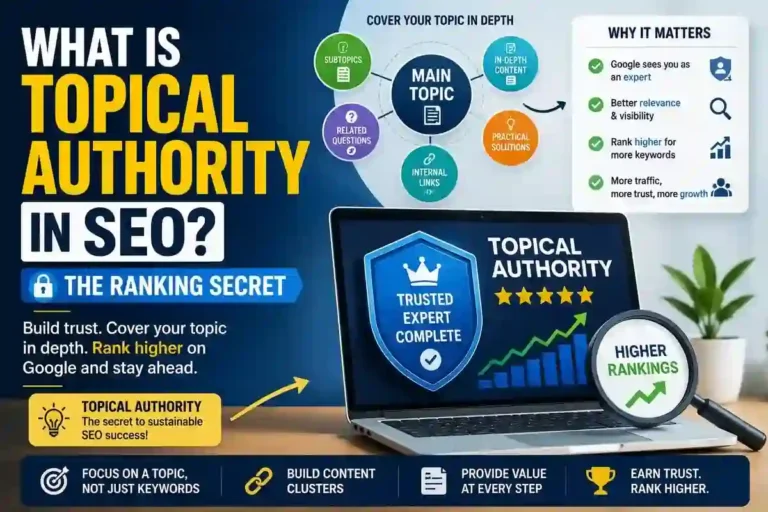
Search Engine Optimization (SEO)
SEO helps websites appear when people search for relevant information, products, or services.
An effective SEO strategy can include:
- Keyword research
- Helpful and original content
- Optimized page titles
- Clear headings
- Internal linking
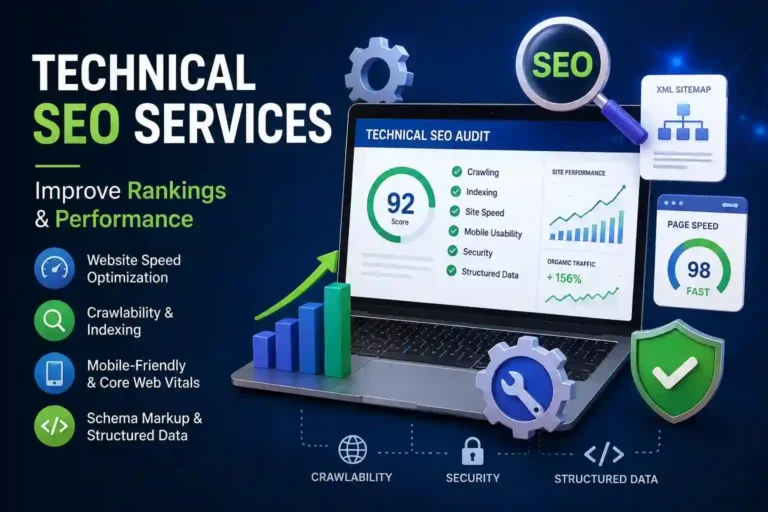
- Technical SEO
- Mobile-friendly pages
- Fast website performance
- Quality backlinks
For example, a bakery could create a page targeting people searching for birthday cakes in its city. A software company could publish detailed guides answering common questions about its industry.
The key is to create pages that actually help visitors, rather than writing content solely to insert keywords.
Content Marketing
Content marketing focuses on providing useful information that attracts and educates an audience.
Common content formats include:
- Blog posts
- Tutorials
- Case studies
- Videos
- Infographics
- Checklists
- Ebooks
- Social media posts
Good content answers real questions. Instead of constantly saying, “Buy our product,” a business can explain a problem, compare solutions, provide practical advice, and demonstrate expertise.
Over time, useful content can bring visitors from search engines and social platforms while helping a business establish credibility.
Social Media Marketing
Social media gives businesses a direct way to communicate with their audience.
The first step is not joining every platform. Choose channels where your target audience is most active.
Your content could include:
- Educational tips
- Short-form videos
- Customer stories
- Product demonstrations
- Behind-the-scenes content
- Polls and questions
- Industry news
- User-generated content
Consistency matters, but quality matters too. A useful post that starts a conversation can be more valuable than several posts that receive no meaningful engagement.
Paid Advertising
Paid advertising allows businesses to reach specific audiences more quickly.
Popular options include:
- Google Search Ads
- Display advertising
- Social media advertising
- Video advertising
- Retargeting campaigns
Before launching an advertisement, decide what you want it to achieve. Is the goal website traffic, leads, app downloads, sales, or brand awareness?
Start with a manageable budget, monitor the results, and improve the campaign based on actual performance.
Email Marketing
Email marketing allows businesses to communicate directly with people who have chosen to hear from them.
A simple email strategy can include:
- Create a useful signup offer.
- Build an email list ethically.
- Send valuable information regularly.
- Segment subscribers when appropriate.
- Personalize messages where useful.
- Track clicks and conversions.
Email can be especially useful for repeat customers because you are not relying entirely on social media algorithms to reach them.
Digital Marketing Trends to Watch
The online marketing environment changes quickly. Businesses that pay attention to useful developments can adapt without blindly following every trend.
AI-Assisted Marketing
Artificial intelligence is changing how marketers research, plan, create, and analyze content.
AI can help with:
- Brainstorming ideas
- Content outlines
- Data analysis
- Customer segmentation
- Repetitive tasks
- Campaign planning
- Personalization
However, AI should support human expertise rather than replace it. Automatically publishing large amounts of generic content can create a poor experience for readers.
Short-Form Video
Short videos have become an important format for attracting attention.
Businesses can use short-form video for:
- Quick tutorials
- Product demonstrations
- Frequently asked questions
- Tips and tricks
- Behind-the-scenes clips
- Customer testimonials
The strongest videos usually deliver value quickly rather than taking too long to get to the main point.
Personalized Experiences
People expect online experiences to become more relevant to their interests. Businesses can use customer data responsibly to provide better recommendations, emails, offers, and website experiences.
Personalization should feel helpful—not intrusive.
Search Beyond Traditional Search Engines
People increasingly discover information through social platforms, video services, online communities, and AI-powered tools.
This means businesses should not depend entirely on one traffic source. Creating useful, easily understandable content that can work across multiple platforms can make a brand more discoverable.
Marketing Automation
Automation can reduce repetitive work.
For example, businesses can automate:
- Welcome emails
- Appointment reminders
- Lead follow-ups
- Customer notifications
- Social media scheduling
- Reporting
The goal of automation is not to remove the human element. It is to save time so marketers can focus on strategy and customer relationships.
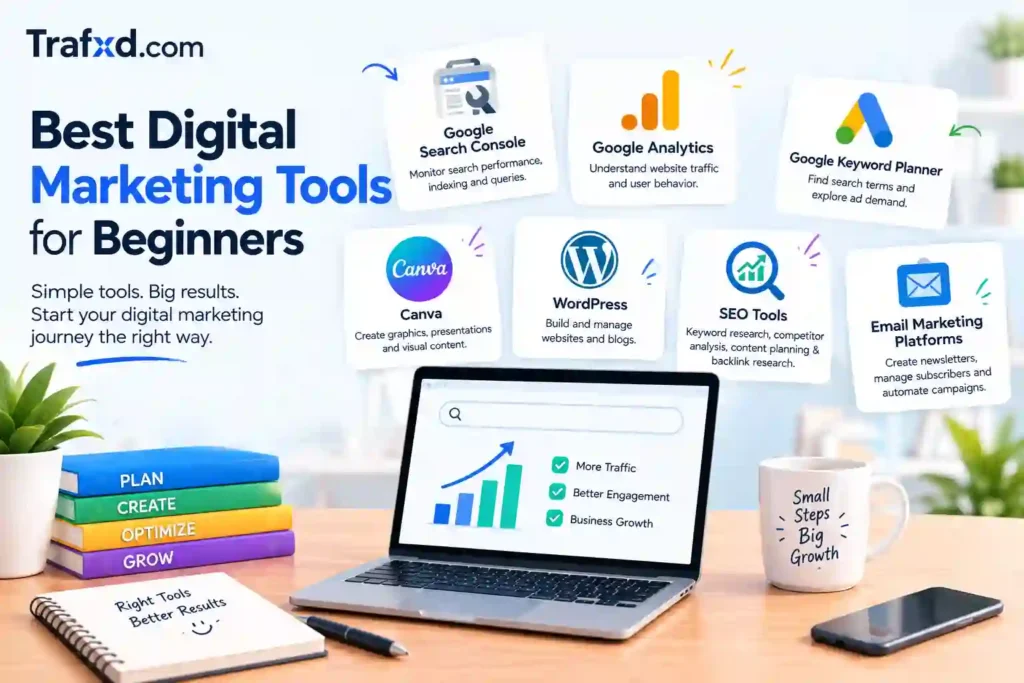
Best Digital Marketing Tools for Beginners
Beginners often make the mistake of collecting too many tools. You do not need expensive software for every marketing task.
A simple toolkit can include:
Google Search Console
Useful for monitoring a website’s search performance, indexing, and search queries.
Google Analytics
Helps businesses understand website traffic and user behavior.
Google Keyword Planner
Useful for researching search terms and understanding potential advertising demand.
Canva
A beginner-friendly tool for creating social media graphics, presentations, and other visual content.
WordPress
A popular platform for creating and managing websites and blogs.
SEO Tools
SEO platforms can help with keyword research, competitor analysis, content planning, and backlink research.
Email Marketing Platforms
These can help businesses create newsletters, manage subscribers, and automate email campaigns.
The best tool is not necessarily the one with the most features. Choose tools that solve the problems you actually have.
Practical Tips to Improve Your Online Marketing
Knowing the strategies is one thing. Applying them effectively is another.
Here are practical digital marketing strategies for online growth that beginners can start using.
1. Define Your Target Audience
Before creating content, understand who you want to reach.
Think about:
- Their problems
- Their interests
- Their location
- Their needs
- Their purchasing behavior
- The questions they ask online
The clearer your audience is, the easier it becomes to create relevant content.
2. Set Measurable Goals
Avoid vague goals such as “get more followers.”
Instead, establish measurable objectives such as:
- Increase organic traffic
- Generate 50 new leads
- Improve conversion rates
- Grow your email list
- Increase online sales
Clear goals make it easier to evaluate progress.
3. Create Content That Solves Problems
Ask yourself one simple question before publishing:
“What will the reader gain from this?”
If the answer is unclear, improve the content before publishing it.
4. Focus on the Right Channels
You do not need to be everywhere.
If your customers mainly use Google, invest more in SEO. They discover products through short videos and focus on video content. Existing customers respond well to email; strengthen your email strategy.
5. Improve Your Website
Your website is often the center of your online presence.
Make sure it has:
- Clear navigation
- Mobile-friendly design
- Fast loading times
- Easy-to-read content
- Strong calls to action
- Secure connections
- Clear contact information
6. Track Your Results
Data can tell you what deserves more attention.
Monitor metrics such as:
- Organic traffic
- Engagement
- Click-through rates
- Leads
- Conversion rates
- Sales
- Return on advertising spend
Use these numbers to make better decisions rather than simply collecting them.
Common Digital Marketing Mistakes to Avoid
Even a good strategy can fail when the basics are ignored.
Avoid these common mistakes:
- Trying to use every social media platform
- Publishing content without understanding the audience
- Copying competitors too closely
- Stuffing keywords into articles
- Buying low-quality backlinks
- Ignoring mobile users
- Running advertisements without conversion tracking
- Focusing only on follower counts
- Expecting immediate SEO results
- Creating content without a clear purpose
Another common problem is chasing every new trend. A trend may receive millions of views, but that does not mean it will help your business.
Choose strategies based on your audience, goals, resources, and actual results.
Conclusion: Build a Strategy That Actually Works
Digital marketing does not mean posting everywhere, buying expensive software, or following every new trend. At its core, it is about understanding people and helping them find the information, products, or services they need. The most effective digital marketing strategies for online growth combine useful content, strong visibility, meaningful communication, and careful measurement.
Start small. Define your audience, choose a few channels, create content that genuinely helps people, and track what happens next. If SEO brings valuable visitors, keep improving it. Social media creates meaningful conversations; invest more energy there. If email turns existing customers into repeat buyers, strengthen that relationship.
Most importantly, give your strategy time to develop. Sustainable online growth rarely comes from one viral post or a quick trick. It comes from consistent work, smart decisions, experimentation, and learning from real results. When you put the audience first and use technology as a tool—not a shortcut—you can build an online presence that supports your business for the long term.
Frequently Asked Questions
What is digital marketing in simple words?
Digital marketing means promoting a business, product, service, or brand through online channels such as search engines, websites, social media, email, video, and digital advertising.
Which digital marketing strategy is best for beginners?
SEO, content marketing, and social media are useful starting points for many beginners. The best choice depends on your audience, business goals, budget, and skills.
How long does digital marketing take to show results?
There is no universal timeline. Paid advertising can produce results quickly, while SEO and content marketing often require consistent effort over a longer period. Results also depend on competition, website quality, content, budget, and execution.
Do small businesses need digital marketing?
Yes. A strong online presence can help small businesses reach potential customers, build credibility, answer customer questions, and compete within specific markets.
Which tools are useful for digital marketing?
Beginners can start with tools such as Google Search Console, Google Analytics, Google Keyword Planner, Canva, WordPress, email marketing platforms, and SEO software.


One Comment